





















































For the third time this morning, my alarm begins to blare, ingraining its tune into my soul, shouting a reminder to get up and ready for school.
Rolling onto my side, I reach down to the floor and grab my phone to see all the things I missed while sleeping because in my mind, things must have happened at 3 a.m. After whatever validation that I shouldn’t need, I get up, only to reach down once more to grab my fake Airpods’ case, with only one headphone lying inside after I fell asleep on accident with both in and woke up with one nowhere to be found.
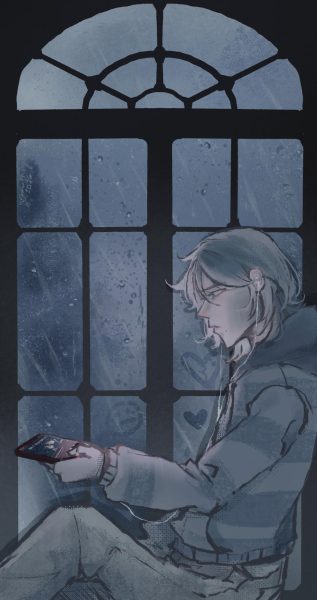
Not everyone agrees with my musical choices to start the day, however. Music teacher Jennifer Troiano has a different perspective on morning tunes.
“I’m not a morning person, but I don’t listen to sad music in the morning. I want to listen to some music that’s gonna help wake me up and get me ready for the day”
Sad music has been very popular recently, especially among teenagers. According to Spotify’s “For the Record,” a top search on the app is “sad.” The thematic depth and gripping lyrics attract listeners like me. The fact that there is music that takes all of the listener’s emotions and bundles it up into a few minutes in a way that makes it feel like the song was totally written just for them makes the whole genre so appealing.
From today’s Billie Eilish and Olivia Rodrigo to the ‘90s rock bands like Alice In Chains, sad music can be heard in many forms from many artists. Some people love sad music so much that it’s all they listen to. But can that amount of melancholic melodies have a harmful impact on one’s mood and daily life? For me, I’ve seen my mood and energy improve when I listened to happier music, especially in the morning, despite my overall fondness of slower, more personal songs.
Is there a chance I’ll still be just as lazy? Sure. At least I’ll have a smile on my face.
But if that’s so great, then why isn’t it my go-to? The truth is, there’s more to it than just that. Those who listen to sad music are key examples of the tragedy paradox, which says that despite our attempts to avoid misery and sadness in art, those emotions can be almost soothing.
Along with that, lyrics are often a key factor in the feelings evoked as people listen to sad music. Many common themes that trigger responses in our minds are losses: money, relationships, and even people entirely. As listeners, we gravitate toward what we can relate to and possibly what will give us answers to whatever we are feeling. Music is therapy for many people, with each lyric of a song serving as a personal response to each troubling thought weighing listeners down. Outlets like music are needed because without them, so many people will have to lean on themselves in ways that can harm them mentally, making them feel like they’re in the wrong for not being able to find answers to their feelings.
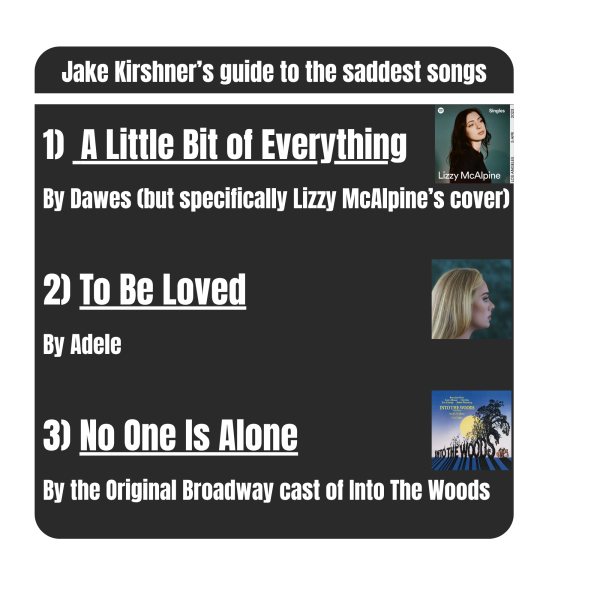
Psychology Today states that sadness in art such as music is fundamentally different from sadness felt in our everyday lives.
So when you’re bawling your eyes out to some good ol’ Phoebe Bridgers, don’t worry! It’s all positive.
But why Bridgers and not Earth, Wind, and Fire? Well, it can sometimes seem like one speaks to you and the other just speaks at you. Sad music creates a connection between our true feelings and a sort of satisfaction felt while we listen. The downside of the combination, however, is that this sadness often lasts longer than the satisfaction. That’s why we still feel it once we’re done listening.
Hormonally our body responds as well in a positive way, with prolactin (a hormone) being released as a response to the sad reactions. This is used to give motivation in order to bond with other people and continue through our emotions.
Within the genre of sad music, listeners might choose to argue which artists possess the saddest songs. Quite the uplifting contest.
According to The Top Tens, the top artists with the saddest songs are Radiohead, Alice in Chains, and Nirvana. Rock on at rock bottom, I guess.
It’s easy to see through the variety of artists in the genre, and how far they date back; that indulging in sad music isn’t new. The reason why people may think that more sad music is being made today is only because it’s more accessible. Through apps and social media, full albums and advertisements can reach anyone.
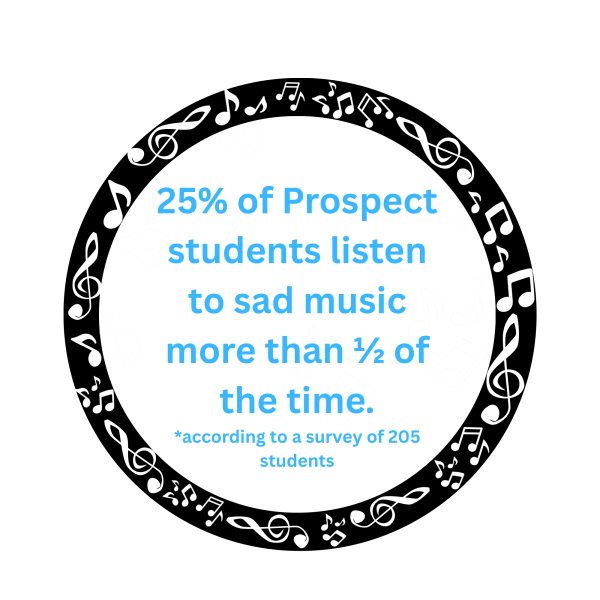
Teenagers are just naturally hearing it more. It’s so easy and common for any teenager to be scrolling on an app like TikTok and find videos with clips of sad music. If it entertains them within their attention span of five seconds, they’ll want to look for the whole song, which can be easily accessed with today’s streaming services.
The time at which listeners engage with sad music can also be a key factor in the mood listeners are left with. Listening to sorrowful music before going to bed has the ability to help your body wind down, possibly better than that of falling asleep to white noise.
In fact, every song has benefits. According to PsyPost, listening to any type of music before bed can improve sleep quality. In comparison to the average white, pink, or any color of the rainbow noise, listening to music helps to reduce stress and provide higher satisfaction levels for listeners to help unwind.
Still, even with its benefits, it’s important to recognize the necessary balance regarding sad music intake. For those that tend to listen in the morning, be mindful of how it can take a toll on your mood and affect each day. These more serious emotional patterns from listening to certain songs can be disguised by any enjoyment found in that music and leave listeners with a fixed mindset on their life. As humans, it is hard to grow and live a fulfilling life without change and opportunities to see something from a different perspective.
According to Troiano, knowing yourself is very important to correctly understand your emotions and what supports the growth of your thoughts. Yes, take that time to cry it out, but continuing to move on to not stay in that state is a fundamental part of life.
We all need music to keep us going, but the proper judgement of our preferences to live our happiest life are simple.
“What kind of music are you going to take for your medicine today?” Troiano said. “What’s your music medicine?”
Never miss important news: every Monday, get a preview of what’s going on this week at Prospect, and what went down last week. To sign up for the Knight Notes newsletter, click here.