













































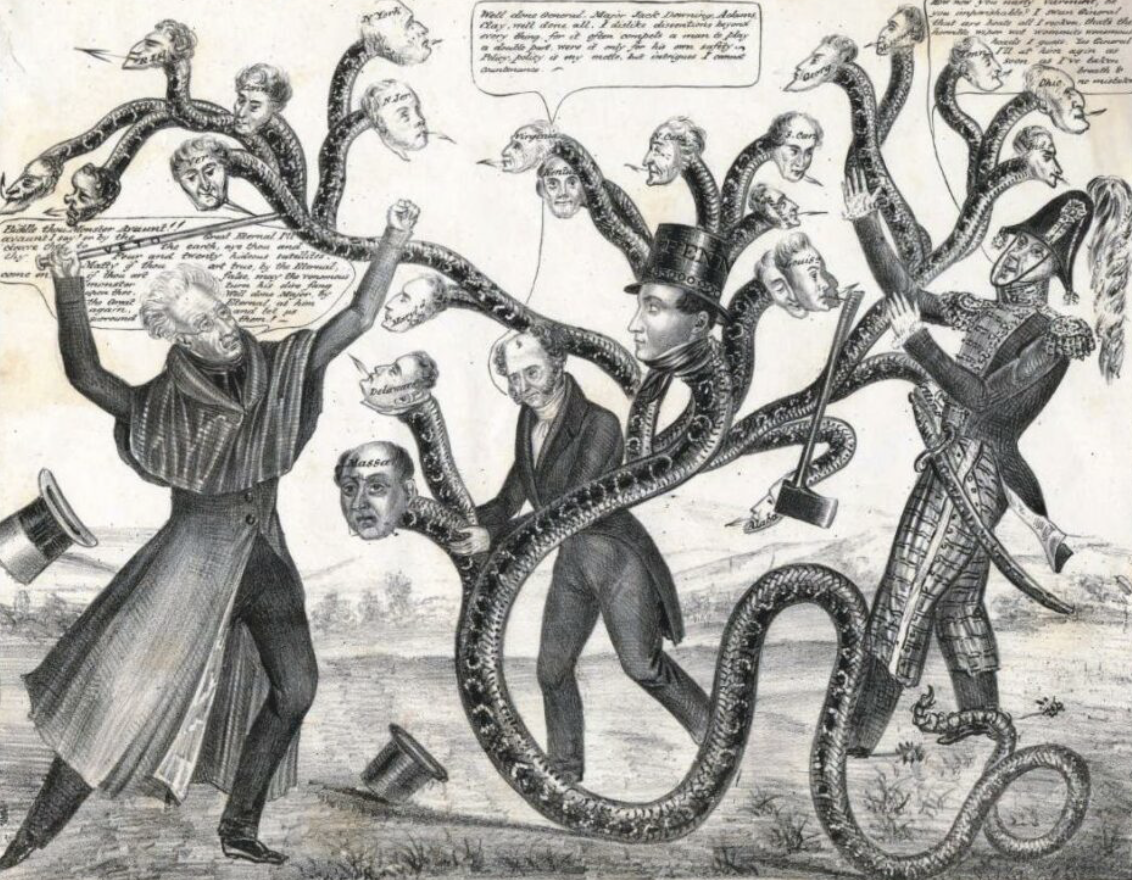
Political cartoons have been around since before the United States was even a country; however, they have slowly but surely faded into obscurity. US History teacher Kathleen Skoog believes them to be a “lost art.”
“[Political cartoons] address public opinion in an artistic manner,” Skoog said. “It’s something that’s very unique — these artists are very talented, but they’re also conveying messages that people of the time wouldn’t have been able to share as easily as they can [now] on Twitter. This was their way of spreading their viewpoints with that creative lens.”
The Massachusetts Historical Society explains that political symbolism, stereotypes and personification were central in the making of early political cartoons.
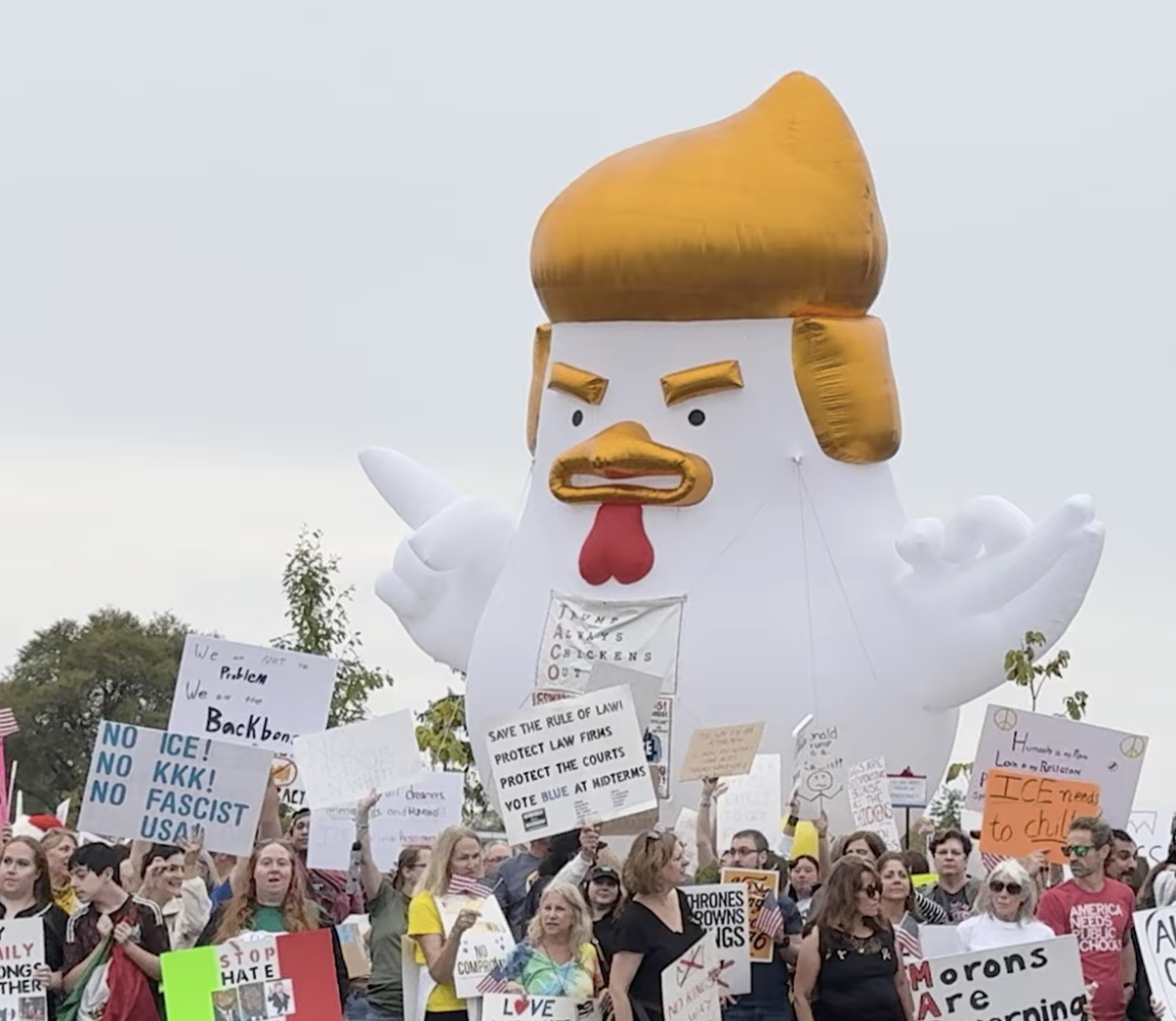
One such example is the work of Thomas Nast, an extremely influential political cartoonist in the 1850s who, according to PBS News, created many of the symbols that cartoonists use today, including Uncle Sam and the icons for Democrats and Republicans. Around Nast’s time, cartoonists relied on these symbols and longer dialogue bubbles to deliver their message. Today, cartoonists such as Ohman use over-exaggerated images with quick punchlines to help their audience understand their opinion on a recent political event.
At Prospect, students frequently analyze political cartoons within their US History classes. Skoog, in particular, features political cartoons made by artists during President Andrew Jackson’s term in office. She splits the class into groups and has them analyze and interpret the various symbols the political cartoons use.
Skoog believes looking at cartoons depicting different perspectives of the presidency is a helpful way for students to realize the multi-faceted nature of politics — which will help deepen their critical thinking skills and also their understanding of how American politics exist.
“It’s a way for students to connect current events and make history relevant to them,” Skoog said.
Another staff member who uses cartoons in class is social science teacher Timothy Beishir, who uses them in a project in his AP Human Geography classes. However, Beishir does not believe political cartoons are becoming a “lost art.” In fact, he believes they are more suited for the modern age than the past.
“Political cartoons seem to me to be perfectly suited for social media,” Beishir said. “It’s just one frame on a post as you scroll through … they seem tailor-made for it.”
The Pew Research Center found over 43% of young adults (ages 18-29) find their news on TikTok, Instagram and YouTube. Pew also mentions that as of 2025, at least 53% of US adults say they sometimes get their news from social media. Political cartoons can be the basis for a person’s knowledge of current events; how quickly someone understands a cartoon while scrolling through their social media feed is an indicator for how up-to-date they are with what is going on in the world.
“The most important thing is that our political system is fueled by engaged and informed citizenry,” Beishir said. “If we’re not [engaged and informed], then we’re going to get worse outcomes in terms of policy outcomes and elected officials. Maybe political cartoons aren’t necessarily essential to [being informed,] but they kind of serve as a barometer for how informed and engaged someone is.”
Despite this, political cartoonists find themselves becoming scapegoats for many of today’s issues. Ann Telnaes, a freelance cartoonist who resigned from her job with the Washington Post on Jan. 3 of this year. She wrote on her Substack on the same day about her experiences with the Post and the cartoon that was “killed” due to who she made it about.
The cartoon criticized multi-billion-dollar corporations and their executives by depicting them kneeling at President Trump’s feet and offering him money, as if worshipping him. Those depicted include Mark Zuckerberg, Sam Altman, Patrick Soon-Shiong, the Walt Disney Company and most notably, Jeff Bezos, who owns the Washington Post.
In her Substack post, Telnaes explains editors can object to printing certain visuals if they are unclear or aren’t necessarily conveying the message the cartoonist wants readers to take away; however, she maintains her cartoon was rejected due to her point of view on those men and the corporations they represent. Telnaes said press organizations are upheld to an obligation of protecting free speech in the press, and therefore, democracy.
“As an editorial cartoonist, my job is to hold powerful people and institutions accountable. For the first time, my editor prevented me from doing that critical job … But I will not stop holding truth to power through my cartooning, because as they say,” Telnaes wrote, quoting the Washington Post’s then-motto, “‘Democracy dies in darkness.’”
Political cartoons have long been a part of American history. They not only give voice to various opinions on political issues but also shed a light on American values. The ways of the past can influence the future, and political cartoons are one way to show that.
“I think, in ways, [political cartoons] have evolved,” Skoog said. “They’re not necessarily the media we use today. But I hope that social studies teachers will continue to use political cartoons throughout the eras. I think that it’s a really great resource for students to be able to promote visual literacy … being able to go to the root of political visualization is helpful to students to be able to dissect what they see online now.”
Never miss important news: every Monday, get a preview of what’s going on this week at Prospect, and what went down last week. To sign up for the Knight Notes newsletter, click here.