

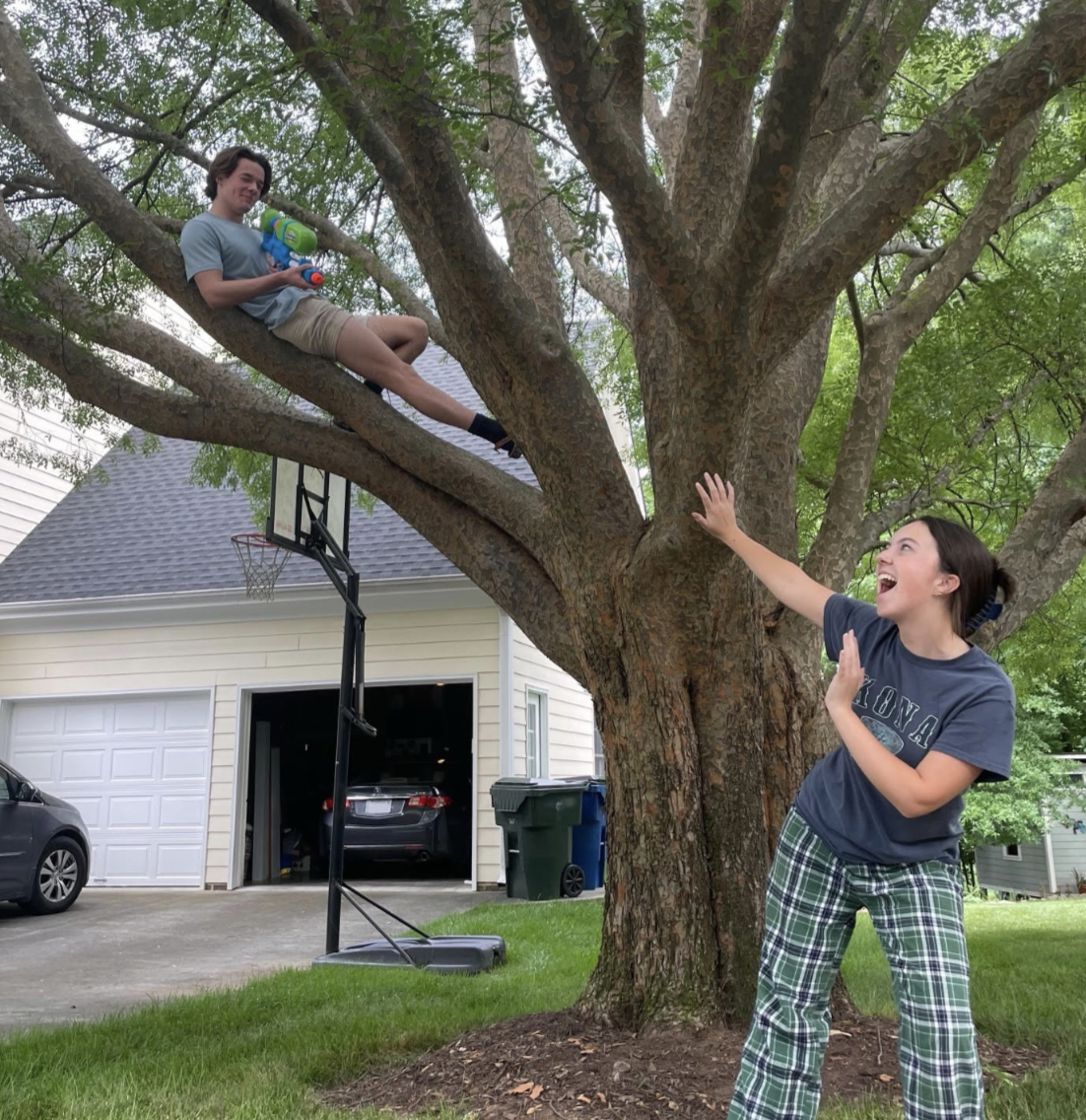







































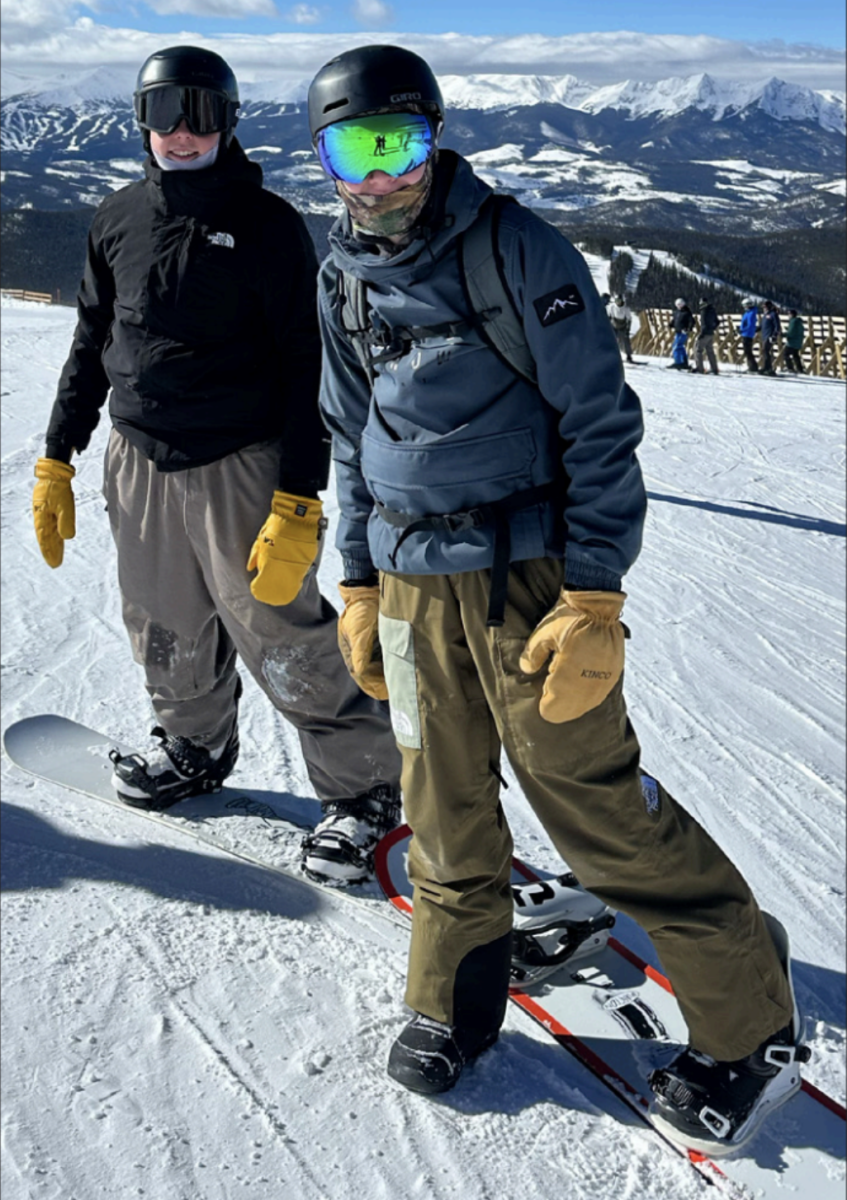
Dominik Janiczek, a junior known around Prospect as “Snowboarding Dom,” has been participating in his sport for the past nine years. He visits Wilmot Mountain, which is right on the border of Illinois and Wisconsin, every winter.
Just a couple of years ago, the resort Janiczek visited was dotted with green patches of grass. They were forced to close for multiple days due to the sun melting so much of the snow. He explained how the warmest temperatures for snowboarding are usually around 40 degrees Fahrenheit, but it reached about 50 on that particular trip.
“[With] the sun beaming down you get really hot,” Janiczek said. “The cold temperatures really keep [snowboarding] alive.”
Having visited the same resort for years now, Janiczek has many friends that he only gets to see during the snowboarding season, making the time spent there even more important to him.
“I think [snowboarding] kind of defines who I am,” Janiczek said. “I feel like [climate change] will impact it in the future, and that really stinks. Snowboarding was the one hobby where I could be like ‘Oh, this is my sport.’”
This trend of unusual temperatures doesn’t seem to be slowing down, as a KnightMedia survey of 215 Prospect students showed 74% of them have missed out on opportunities due to poor weather conditions. Between 1959 and 1980, the Chicago area averaged over 45 days a year where the highest temperature reached was still below freezing. That number has since been on a decline; for the last decade, the average has been about 30 days, according to the Metropolitan Water Reclamation District of Greater Chicago (MWRD). They predict that number will drop to just 21 days by the end of the century.
Currently, there isn’t enough data to determine if snowfall in the Chicago area specifically has lessened, despite a KnightMedia survey showing 85% of Prospect students think it has. Illinois climatologist Dr. Trent Ford said to the MWRD that there is an explanation for people believing so. Although the amount of snow we get is roughly the same, it melts at much faster rates now, mostly because of an increase in temperature during winter.
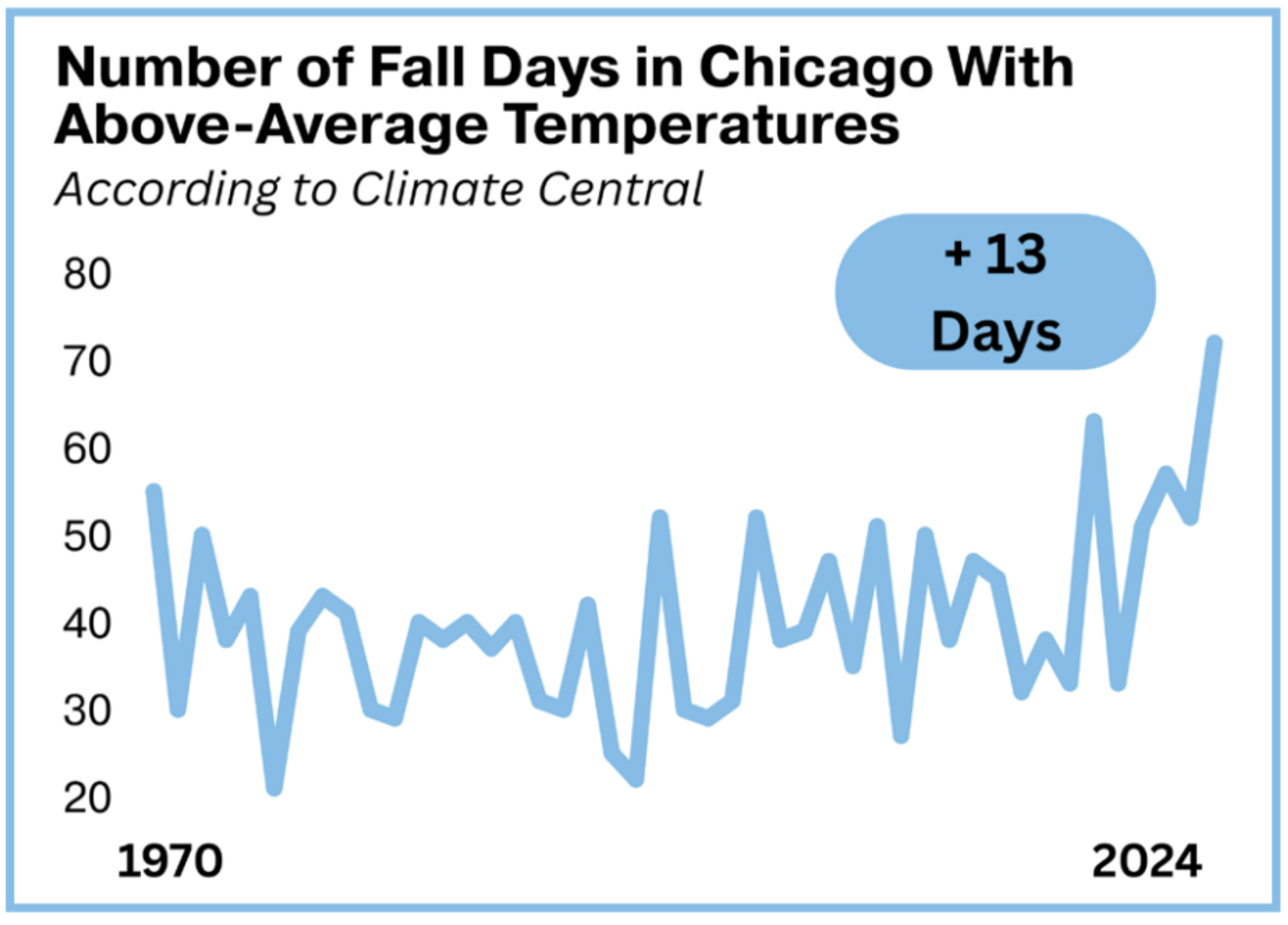
This shift in weather isn’t isolated to winter, though. A study from Climate Central showed an increase in temperature during the fall season since 1970 across every county in the United States. This hot weather is extending the seasons — summer bleeds into fall which then delays winter, according to the Climate Reality Project.
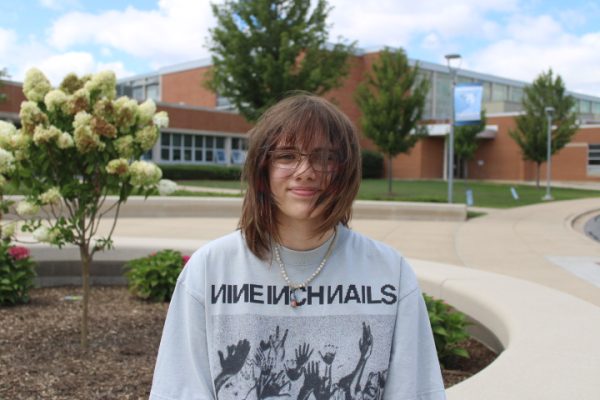
Another Prospect student, junior Jenna Sparkowski, has had her own battles in dealing with a warmer fall season. The Sparkowski family cares for a flower and vegetable garden in their own yard, a hobby Sparkowski has grown attached to.
“It’s very therapeutic, in a way,” Sparkowski said. “It’s calming being with nature, and getting to eat your homemade produce is refreshing.”
Unfortunately, an extended autumn means more allergies, more wildfires and more hungry critters. Small animals like squirrels and rabbits are staying out longer, which poses a threat to the safety of Sparkowski’s plants. The change in temperature itself has also been an issue.
Plants like tomatoes have thrived with the increased sunlight, but ones that are more frail like cucumbers or green beans can’t survive the heat. For that reason, Sparkowski’s family has had to purchase nutrients and has even added lady bugs (a pollinator) to their garden in an effort to improve the overall plant growth, which wasn’t needed in past years.
“Having to use nutrients and ladybugs has cost my family a lot, and it’s just sad to not have as much produce,” Sparkowski said.
Students are likely going to continue seeing their activities impacted as this weather trend continues, which, for these students, is all the more reminder to take care of the planet.
Never miss important news: every Monday, get a preview of what’s going on this week at Prospect, and what went down last week. To sign up for the Knight Notes newsletter, click here.