














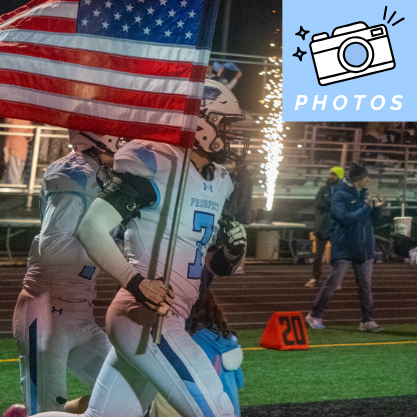



As then-senior Allison Walsh sat in her College World Religions class in 2012, she felt her worldview begin to widen. Raised Lutheran and deeply committed to her faith, she had grown up knowing little about religions beyond her own family’s traditions. The class didn’t just introduce her to new belief systems; it revealed sides of her classmates she had never seen.
“It just had a huge impact on me at the time,” Walsh said. “It opened up my world and gave me permission to explore [a side of] myself that I don’t know if I would have ever gotten to know if I didn’t take the class.”
Walsh didn’t originally set out to become a filmmaker. After graduating from Prospect, she attended Bradley University on a golf scholarship, majoring in social studies secondary education. She initially planned to become a world religions teacher because of her high school College World Religions class.
In her senior year of college, she ended up shifting paths when she proposed a documentary about the U.S.-Mexico border for a summer grant. When she became a documentary filmmaker, Walsh knew exactly what story she wanted to tell: the story of the class that changed her life.
“It really impacted me after Prospect [and] what I ended up choosing to focus on in college and then today being a documentary filmmaker where my job is to listen to different people’s perspectives every day and hear their worldview,” Walsh said. “I had always thought about going back to make a film about this class, so I decided to do it in 2019.”
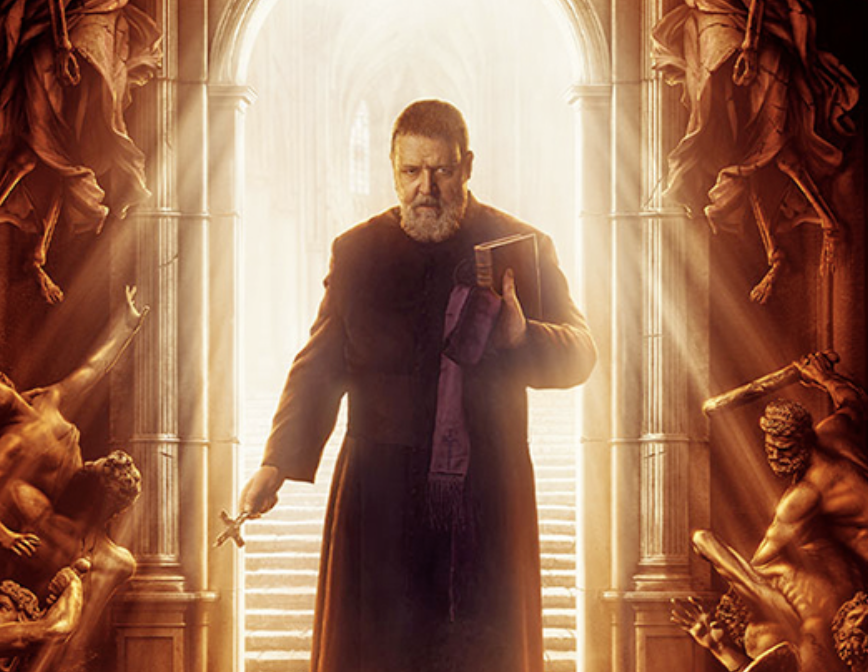
“All of the Above” is a documentary film created by Walsh that follows students of different faiths as they take John Camardella’s College World Religions class, the first dual-credit religious studies course in the country. The film highlights four students and their different religions: Theresa Sheridan (Christian), Nilüfer Lily Kaya (Muslim), Sainee Patel (Hindu), and Gretchen Cozine, while also following the class and the discussions held. Over time, viewers are able to see the students understand the different cultures and religions practiced by their peers and others all around the world.
Walsh approached Camardella about the film in 2018, and they decided to film during the 2019-20 school year. At first, Camardella was skeptical about having a film crew in the classroom two to three times a week because his class is often one that many students look forward to and get on a waitlist for.
“My biggest hesitation was going to my seniors that year … and be[ing] like, ‘Hey, so I know you’ve been looking forward to this class. I’m looking forward to hanging out with you. Do you mind if there’s a movie crew in our class almost every day?'” Camardella said.
Due to COVID-19, Walsh and her film crew ultimately had to stop filming for the safety of students. She began filming Zoom classes and conducting Zoom interviews with students because it was not yet safe to film with anyone in person. Students would film themselves doing various activities at home, like cooking, spending time with their family or worshiping online.
Then, about a year before wrapping up post-production, Walsh’s editing team realized that while COVID-19 was a big portion of the class that year, it was distracting from the film’s deeper message. The story wasn’t ultimately about the pandemic: it was about the lasting impact of the class and the students’ growth throughout. Therefore, the COVID-19 angle was completely cut out of the film.
“We decided to restructure the whole film and figure out how to end [it],” Walsh said. “I think it made the film much better, actually, in the end, even though it was very difficult to find.”
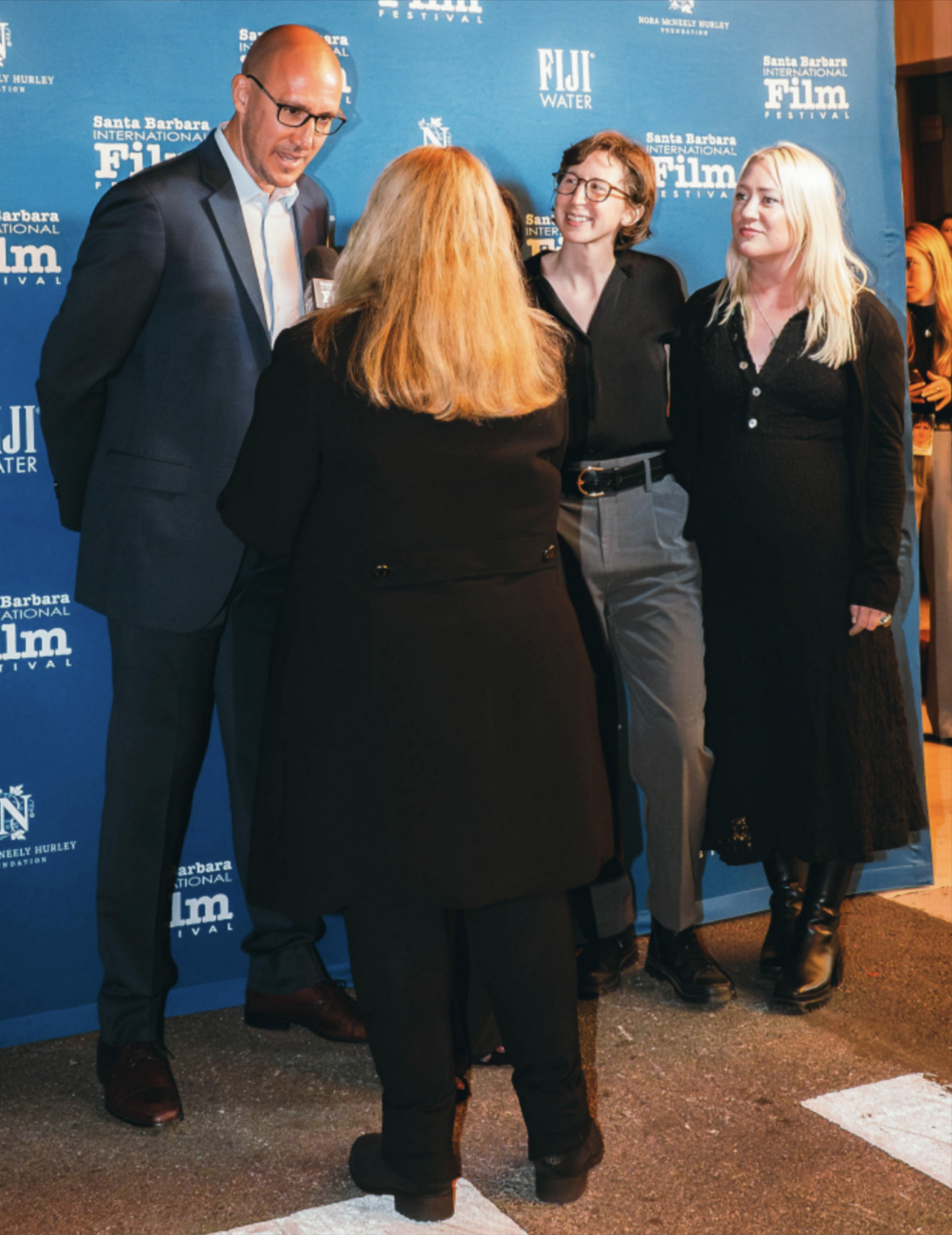
Walsh and her team wrapped up post-production in 2025 and began entering it in as many film festivals as possible. One of the film festivals they applied to was the Santa Barbara International Film Festival (SBIFF).
“We were waiting for a long time to see [what would happen],” Walsh said. “It’s kind of a stressful time when you submit your film to festivals, and you don’t know if people are going to say yes. You just have to wait, and there’s nothing you can really do.”
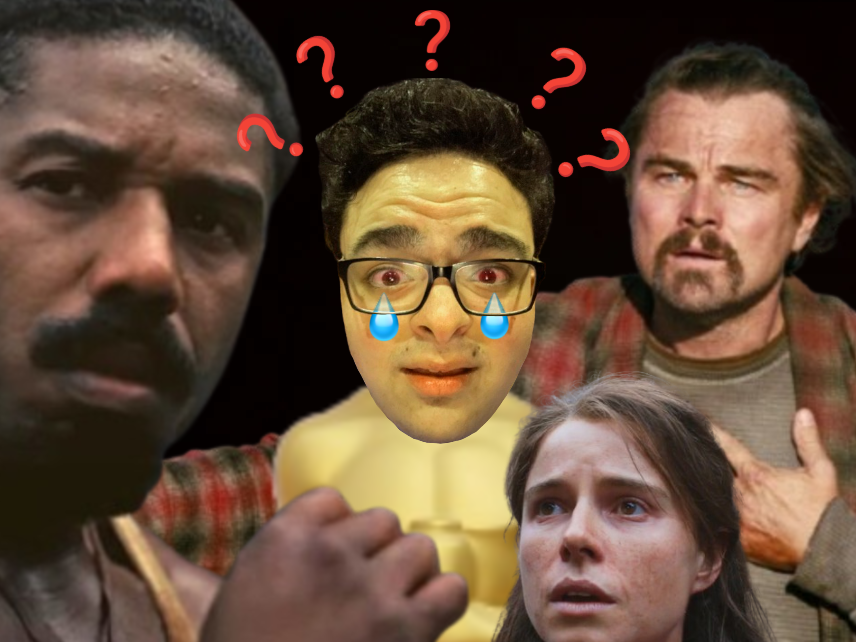
In January, they got an email saying they were going to be featured in the SBIFF, which was held from Feb. 4-14. The SBIFF is a world-renowned film festival with many famous directors and actors in attendance, including Michael B. Jordan, Leonardo DiCaprio and Stellan Skarsgård.
“I was absolutely thrilled to get in, and that just felt like such a testament to all the hard work we put in,” Walsh said. “But I have to say that actually going to the festival and watching the film in the room with everyone, that was my moment. That was that ‘aha moment,’ and I definitely cried three times, and I felt like the universe was tearing open and that the film was finally done.”
Camardella was able to attend the SBIFF with his wife and son alongside Walsh, producer Lily Qi, editor Alanna Schmelter and former students featured in the film such as Sheridan, Cozine and Kaya.
“I couldn’t believe it. Like, I literally couldn’t believe it,” Camardella said. “I don’t do all my professional work to be at film festivals on the red carpet, and it was crazy in a beautiful way. But I trusted Allison’s vision, and it exceeded all of my expectations.”
Walsh believes the film is a good way to help people better understand different religions and be more open to them. The film also shows where the constitutional line is regarding religion and public spaces.
“I think it just amplifies the work that [Camardella] is already doing,” Walsh said. “People had always asked me, in the film, if we were going to have religious leaders or religion experts talk about things, and we really didn’t want to do that. You hear from the students, and you hear from [Camardella], and it feels like you’re in the room with the students as they’re going through the year.”
For Camardella, the film represents not just what students go through in the class, but also something more lasting: proof that understanding begins with conversation.
“I want people to watch it and remember that we’re all humans,” Camardella said. “We’re all wrestling with our own understanding of the world, and the more we talk to each other and listen to each other, the more we can understand one another. We don’t have to agree … we do not have to accept. But understanding usually leads to peace, and I think that is a very worthwhile endeavor. It might be the most important endeavor to teach young people, as they head off into the world, that understanding and having critical conversations about things that matter is worth your time.”
Watch the trailer:
Never miss important news: every Monday, get a preview of what’s going on this week at Prospect, and what went down last week. To sign up for the Knight Notes newsletter, click here.

![TEAM SPIRIT: A cheerleader throws their pom-poms above their head. The anonymous ex-cheer student loved cheerleading, but felt her environment was too toxic to continue. "I was just so scared of this coach," she said. "[I was scared of] the constant yelling at us and the way it was very much like, 'You're replaceable.'" (photo from Canva)](https://prospectornow.com/wp-content/uploads/2026/04/Purple-Pink-Dark-Mode-Pictogram-Gender-Equality-Social-Issues-Instagram-Post-e1775594453495.png)