













































For as long as I can remember, my dad has loved to watch food challenge videos on YouTube. I distinctly remember walking out into my living room one morning when I was 14 and seeing a video on the TV of someone wolfing down 12 massive cheeseburgers while wondering if I could ever do the same.
Simultaneously though, my mind wandered to how many calories were in that meal. Considering I was cutting my calories at the time to align with my own fitness goals at the gym and because I had seen someone else on TikTok do it, the thought of 12 cheeseburgers ever fitting into my daily macros (recommended macronutrient consumption) was completely unrealistic. If I had been bulking, on the other hand, it wouldn’t have been as impractical.
I hadn’t realized at the time, but these diets had completely consumed my life.
Cutting and bulking diets are meal plans body builders and other athletes use to build muscle and cut fat. The two are used hand in hand and cycle on and off with one another for a few months at a time.
According to Healthline, bulking consists of eating in a caloric surplus and typically heavier weight lifting with the primary goal of putting on muscle mass. People who are bulking and looking to “get big” usually eat 200-500 more calories than their maintenance (the total calories needed per day to maintain one’s weight) and aim for at least 1 gram of protein per pound of body weight. Meals are more frequent throughout the day and are typically protein-packed. By eating more calories than your body can burn, bulking usually also comes with putting on extra body fat, so this process is then followed with a “cut.”
Cutting involves eating in a caloric deficit essentially to burn off the extra fat put on while bulking. People looking to get leaner typically cut down calories by 10%-12% from their maintenance, but this can also be determined in a calorie calculator. Meals are higher volume and lower calorie, but still revolve around protein in order to keep the hard-earned muscle you made. Like bulking, weight lifting is important in this process, but more cardio is seen as well.
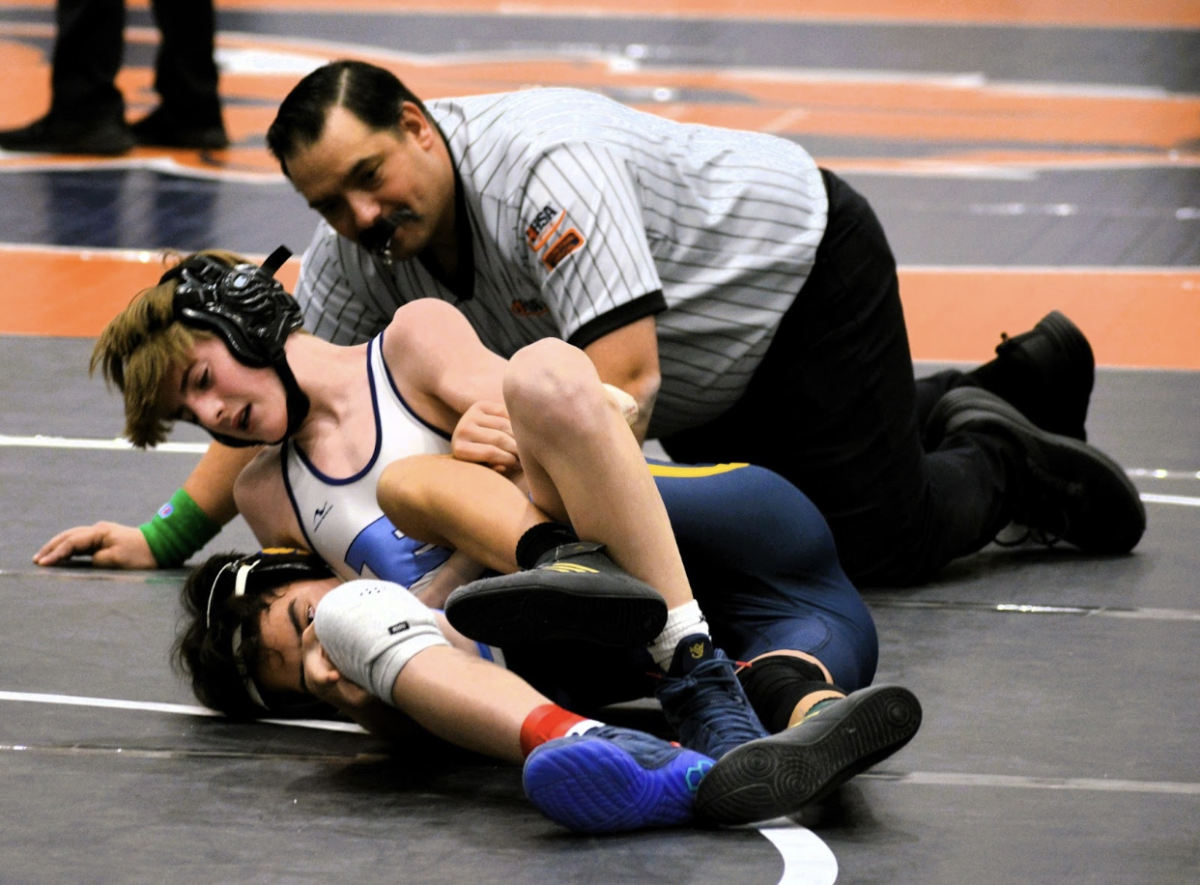
As a wrestler and average gym-goer, these diets are nothing new to me. My meals have always been centered around my protein goals and cutting for my sport hasn’t been that difficult considering I know how to track my calories using an app.
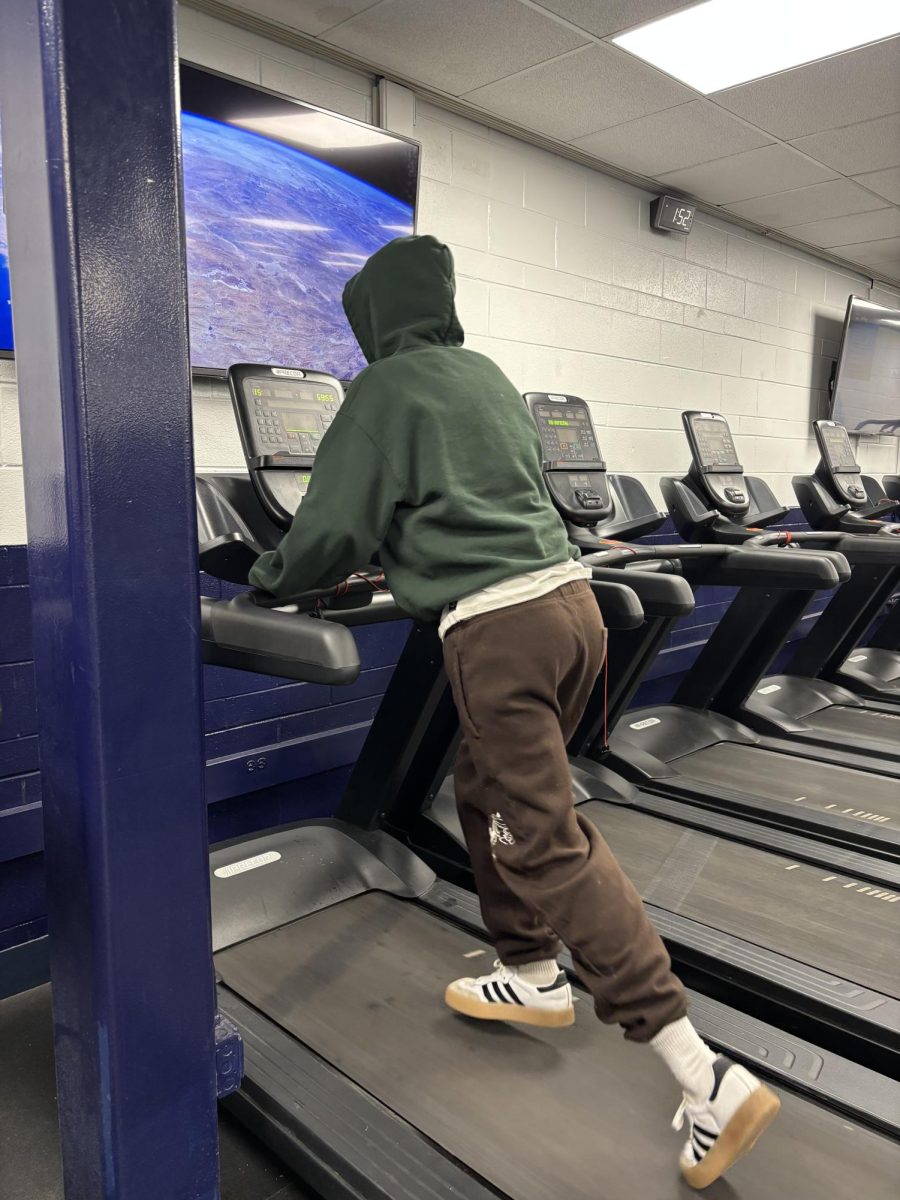
Sophomore Alexis Thoma is also familiar with these diets, but not in the traditional sense. Being a wrestler, rather than cutting calories to lose fat or look a certain way, Thoma cuts to lose weight for her sport. She takes extreme measures to do so and even recalls running on the treadmill wearing three pairs of pants, three sweatshirts, two pairs of socks, a jacket and a beanie the night before a meet to lose weight.
Although this method was effective, it definitely isn’t ideal. According to girls’ wrestling coach John Bassler, losing water weight through this method works initially, but it isn’t the sustainable approach.
“Long term, nothing beats working out and burning more calories than you take in,” Bassler said. “That’s really what it comes down to.”
Speaking from personal experience, I can admit that losing weight is difficult, but it’s even more difficult when you don’t know how to go about it in the right way.
Before knowing what cutting and bulking even was, I originally believed eating as little as possible and working out as much as I could would be the most efficient way to achieve my goals. I soon realized, though, that the combination of the two only made the process that much harder. Had I been taught this in school, I wouldn’t have even considered those previous options.
While the required health class every Prospect student takes their sophomore year discusses a nutrition unit for three weeks, these types of diets are never covered.
Considering calorie intake can be a touchy subject for teenagers especially, it’s understandable why these topics aren’t as common to talk about in a school setting. Though on the other hand, I think it can be extremely beneficial for students— especially athletes— to be more well-versed in the proper ways they can fuel themselves by utilizing meal plans like cutting and bulking.
Although there are studies online about exposing teens to diet culture early on leading to eating disorders, I truly think it’s the opposite. If educators teach teens from the beginning that they have other options rather than starving themselves or binge eating, it could actually prevent future health concerns.
After talking with barbell club adviser Brad Jenisch about the correct ways to approach these diets, we came to the conclusion that because activity levels and caloric needs vary person to person, there really is no specific meal plan suitable for all student athletes.
“It’s kind of experimenting to see what’s right for you so you feel good,” Jenisch said. “You have to be really in tune with yourself to be like, ‘When I eat this food two hours before I do an activity, I feel better than when I eat these [other] types of foods,’ and you kind of just have to have these conversations with yourself.”
Of course, teens like myself should be prioritizing eating nutritious, well-balanced meals more than anything, but giving this alternative to people who are looking to change their physique can teach them healthier approaches to lose fat or gain weight, if they so please.
The best advice I can give to someone looking to start these diets is to find what works best for you. If a teenage girl were to compare her caloric needs to a 6’ male bodybuilder, she would be doing more damage than good for herself. Rather than copying what someone else is doing online because they have your ideal physique, look into what specifically would benefit you.
Figuring out your maintenance calories with an online calorie calculator and determining what goals you’re trying to achieve are probably the best places to start. Both Bassler and Jenisch agree that consulting a nutritionist would be also advantageous along with taking the process one step at a time.
By no means am I saying that everyone should hop on these diets immediately and start tracking their calories today, but I do think teaching teenagers that these choices exist can help develop healthier eating habits. I know it definitely would have helped me.
Never miss important news: every Monday, get a preview of what’s going on this week at Prospect, and what went down last week. To sign up for the Knight Notes newsletter, click here.