































For those practicing Islam, Ramadan is one of the most important times of the year. It’s a period of intense devotion for Muslims, and it’s necessary to strike a balance between faith and day to day activities.
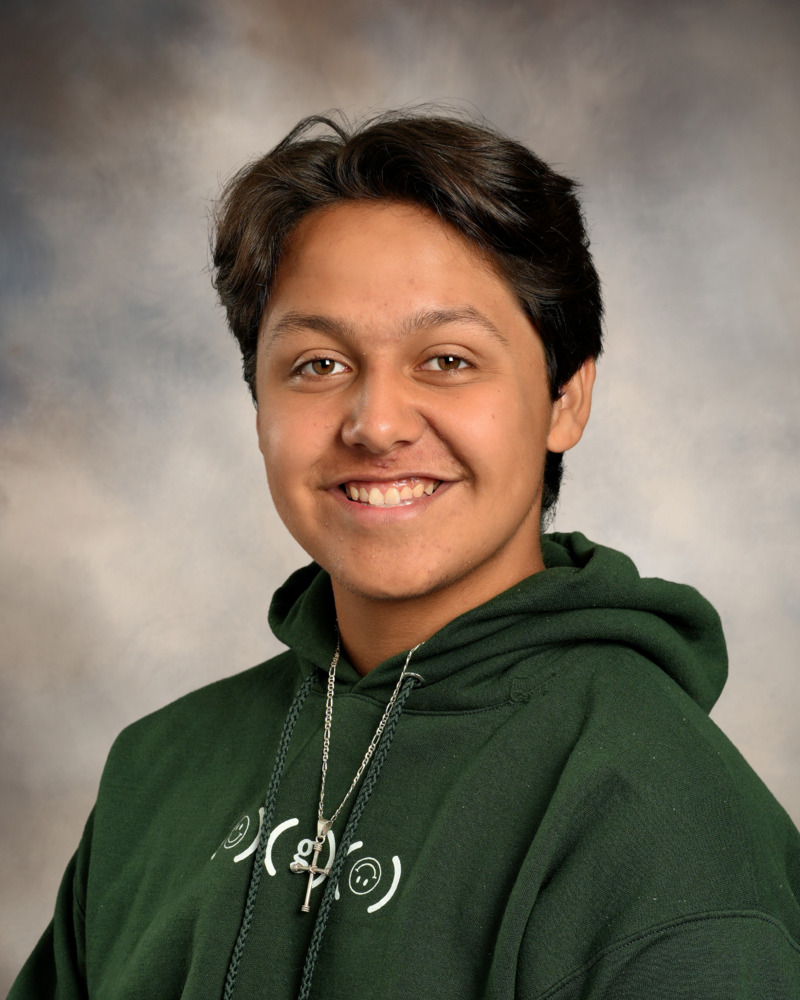
Senior Merjem Mesic, a Muslim herself, said that “one of the biggest struggles is not being understood by a lot of [my] friends and teachers,” as Islam is not a widespread religion within Prospect.
“I get a lot of school work, [which is difficult] because my schedule is so full during Ramadan,” Mesic said. She has to help prepare dinner, pray, and go to the mosque, making the completion of her assignments on top of that taxing.
Mesic described the significance of prayer as the most important pillar of Islam. Although regular prayer occurs every day of the year, it holds extra importance during the holy month. Muslim students are able to receive a “prayer pass,” which allows them time during the school day to practice their faith in a private room located in the main office.
Similar to Lent, which is celebrated by many Christians, Ramadan is an opportunity for Muslims to further their religious practice. “I hold [Ramadan] very dear to my heart, because I know it’s time I’m spending with my family, but also getting rid of bad habits.” This is a month for Muslims to eliminate things that aren’t necessary in their lives, and to further their devotion to God, or Allah.
For those not familiar with Islam, it can be difficult to understand the significance of Ramadan. Although daily fasting, prayer, and reflection throughout the month may sound intense to outsiders, Mesic emphasized that “it’s just a very happy time for us … we give back to the poor, and spend time with friends and family.”
Charity is paramount during Ramadan. Fasting helps to remind participants of their privileges, and allows for deeper appreciation. “It helps remind me that there are Muslims out there who don’t [have] food or drink every day,” Mesic said. “They break their fast with dirty water. They don’t get a chance to eat.”
Mesic also believes it’s important for people to know that they don’t have to consider themselves Muslim to participate in Ramadan. Although a very important aspect of the holiday is one’s devotion to faith, those curious are welcome to partake.
“If you’re interested in [fasting] or [celebrating Ramadan], there’s nothing wrong with that. Everyone is welcome to appreciate it,” said Mesic.
What is Ramadan?
Ramadan is considered the holiest month of the year in Islam, and marks the ninth lunar month of the Islamic calendar. It can be 29 or 30 days, and this year spans from February 17th to March 19th. Ramadan is recognized as a month of fasting, prayer, charity, community, and reflection. It’s a commemoration of the Quran’s revelation to the Prophet Mohammed, and is one of Islam’s five pillars.
Fasting (Sawm)
Fasting is an integral part of celebrating Ramadan. It’s meant to hone a practitioner’s discipline, faith, and compassion for the less advantaged. Between sunrise and sunset, Muslims abstain from all food, liquids (yes, even water!), and intimacy.
“O believers! Fasting is prescribed for you—as it was for those before you—so perhaps you will become mindful of Allah.”
There are exceptions to fasting to ensure the safety of participants. Although it may vary between practices, those who are ill, pregnant, menstruating, breast feeding, travelling, or haven’t begun puberty are typically exempt.
Before sunrise, Muslims will wake to participate in Suhoor, where they’ll have a meal and take part in a prayer known as Fajr. In the evening, participants will break their fast after the sun has set in what is called Iftar. Dates and water are commonly consumed during this time while reflecting on the day with loved ones.
Prayer (Salah)
Prayer is another key component of Ramadan. Most Muslims pray five times a day all year round, with the times of the prayer depending on the sun’s position. Fajr begins at dawn; Zuhr, when the sun has passed its zenith; Asr, after shadows cast by the sun have doubled in length; Maghrib, begins at sunset; and Isha, which begins in the evening.
“And establish prayer, and give charity, and bow with those who bow in worship and obedience”
Although these prayers still occur, many Muslims also participate in Tarawih, a special communal prayer only taking place during Ramadan. This prayer includes the recitation of long excerpts of the Quran.
Charity (Zakat)
Charity is a vital aspect of the Islamic religion, however its importance doubles during the month of Ramadan. It’s believed that being charitable during Ramadan will increase blessings from Allah. There are a few ways Muslims can participate in charity during this month.
“Indeed, those men and women who give in charity and lend to Allah a good loan will have it multiplied for them, and they will have an honorable reward.”
Many practitioners donate a percentage of their savings, if they have the means, to those less fortunate. It’s also acceptable to commit an act of kindness from the heart, be it big or small. For those unable to fast, they are encouraged to donate to those in poverty.
The Night of Power (Laylat-ul-Qadr)
Within the holy month, there are special days for celebration; Laylat-ul-Qadr is one of them. It is believed to be the night in which the first verse of the Quran was revealed to Prophet Mohammed, and is widely regarded as the 27th night of the month. There is still uncertainty surrounding the exact date, though, which is why the final ten days of Ramadan are all celebrated. It’s a time of immense rewards and blessings for Muslims.
Festival of Breaking the Fast (Eid al-Fitr)
Eid might be the most prominent celebration, which commemorates the end of Ramadan and falls on the first day of the tenth month of the Islamic calendar. It consists of communal prayer, gift giving, visiting relatives, and sharing meals. It’s a day of celebration after the month of intense devotion Muslims experience during Ramadan.
Being such a large religion, there are many different ways people celebrate Eid depending on their location. There are also many different types of food shared, some of them being baklava, sweet samosas, vermicelli pudding, and falafel, among others.
In Conclusion…
Ramadan is a crucial month of devotion for lots of people, including the many Muslim students at Prospect. Learning about practices from other cultures leads to a deeper appreciation of one’s own culture, and allows for further understanding of the many ways people celebrate life.
Never miss important news: every Monday, get a preview of what’s going on this week at Prospect, and what went down last week. To sign up for the Knight Notes newsletter, click here.